Most people never ever consider bail until the phone rings at night and a loved one is sitting in a holding cell. The first inquiries come quick. Just how much will this set you back? Will they be released before trial? Does the judge sight this as harmful? The solutions rest on 2 words that bring enormous weight in American courts: terrible and pacifist. The classification of the fee forms every little thing from the bond timetable to the court's danger calculus, from the schedule of Bail Bonds to the problems linked to release.
I have sat with family members in fluorescent-lit waiting rooms and enjoyed accusations where 2 defendants facing comparable facts received really different outcomes. The distinctions are not constantly user-friendly, and the discernment of courts and the structure of local statutes matter more than the headlines. If you comprehend how courts evaluate danger, what devices they use, and just how bondsmen run, you can make smarter, faster choices when it counts.
What bail attempts to do
Bail is not punishment. It is a system to guarantee an offender appears in court and does not jeopardize the public while the situation progresses. That 2nd goal, public safety, is where fierce costs tend to change the equation. In lots of jurisdictions, statutes explicitly instruct courts to think about threat, not just trip risk. Threat evaluations, probation records, and the truths alleged in the problem all feed right into that calculus.
Two restraints form any bail decision. Initially, the Constitution restricts excessive bail, which means the amount ought to be no more than required to achieve the objectives of appearance and security. Second, states vary extensively in exactly how they use those principles. Some have approached nonmonetary launch for many nonviolent instances. Others still count on dealt with schedules and money quantities. The fee group commonly turns the default setup from release to caution.
Violent vs. nonviolent is not constantly simple
A terrible cost normally involves actual or endangered physical harm: break-in, attack, homicide, residential physical violence, specific weapons offenses, and some sex criminal activities. Nonviolent typically indicates property or governing offenses: theft, fraudulence, drug property, straightforward DUI without injury, probation violations that do not involve a new fierce act. Yet the line can obscure. Burglary can be nonviolent in one law and a fierce felony in an additional, based upon whether the location is a residence or whether a tool existed. A hazard interacted digitally may still count as a terrible crime. Residential occurrences are often charged strongly since the risk of escalation is well documented.
I once saw 2 offenders in adjacent cases. One faced a felony burglary for embezzling 10s of hundreds of bucks from a company, a basic pacifist residential property criminal offense. The various other faced offense domestic battery after a next-door neighbor called for loud shouting and a push, with no injury. The theft case had actually a bond set at $50,000 due to the buck amount and prospective trip risk linked to task loss. The domestic battery defendant was held on a much smaller quantity, yet with a protective order, alcohol surveillance, and a no-contact condition. Intensity in buck terms did not translate to risk. The court's focus moved to that might be damaged between arraignment and trial.
How courts determine: factors that matter
Across states, you see comparable elements repeated in bond hearings. They put on both fierce and pacifist fees, however the weight shifts.
- The seriousness of the supposed crime, including whether it included tools, injuries, or prone victims. Prior criminal history, with unique scrutiny on failures to show up and previous violence. Ties to the neighborhood: household, job, size of residence. The stamina of the evidence as proffered at the very early stage. Any background of breaking restraining orders, probation, or pretrial conditions.
A defendant with a tidy record, a secure address, and a pacifist cost frequently gets release on recognizance or a low bond with very little problems. An offender with a fierce cost usually faces a higher bond, tighter supervision, or no bond, despite having similar connections. Courts are enabled to be sensible. If a firearm was utilized, or if there is a legitimate danger to a victim, public safety takes the lead.
Bail timetables, threat tools, and the limitations of formulas
Most areas utilize a bond routine that assigns a buck amount to particular charges. For instance, a straightforward medicine property may default to $1,000 to $5,000, whereas a first-degree attack might skip to $50,000 to $250,000. Schedules are beginning points. At the first appearance, the defense can ask to drift down, the district attorney can push up, and the judge can add or get rid of problems. Some jurisdictions have relocated far from schedules and towards validated danger tools that score the probability of failure to appear and new criminal activity.
These danger tools are not crystal balls. They normally utilize age, prior apprehensions, prior failings to show up, crime grade, and other information points. In practice, a violent charge raises the "new criminal activity" danger, even if the underlying information is sporadic, which causes stricter problems and higher bonds. Defense attorneys that do this every day come armed with letters from companies, proof of steady housing, therapy registration, or a plan for third-party supervision. The objective is to put a human story next to the danger score.
When bail may be denied entirely
For one of the most major terrible crimes, courts can buy apprehension without bond where statutes allow it. The standard varies by state, however typical categories consist of murder, certain sexual assaults, armed robbery with injury, and repeat violent felonies. If the prosecution fulfills a defined concern at a detention hearing, the offender stays in custody pretrial. In residential physical violence and stalking cases, temporary holds are also typical while the court establishes protective orders and validates security plans.
Nonviolent costs rarely cause outright apprehension unless there is a severe flight risk, a string of failures to appear, or a violation of launch in a pending instance. That claimed, some pacifist offenses linked to big fraud schemes or migration issues can set off government holds or detainers from other territories, which complicate release no matter the fee category.
Where Bail Bonds fit in
A Bail Bond is a contract. The bail bondsman assures the sum total of the bond to the court if the defendant does not show up. In exchange, the defendant or a cosigner pays a nonrefundable premium, normally a portion of the complete bond. In several states, that costs varieties from 7 to 10 percent, sometimes less if regulation permits discount rates or more if the risk is unusual. For a $100,000 bond, a 10 percent costs is $10,000. Security might be required, such as a car title or a lien on home, to cover the bail bondsman's risk.
With pacifist costs, bondsmen often approve lower security and less special conditions due to the fact that the regarded danger is lower. For terrible costs, expect even more strenuous underwriting. A bondsman may request for numerous cosigners, higher collateral insurance coverage, general practitioner surveillance with a third-party vendor, or a structured check-in schedule. If the claimed conduct suggests threat to a sufferer, some bail bondsmans will decline the case altogether. Their company is regulated, and their insurance service providers maintain a close eye on loss ratios for violent offenses.
A sensible note: documents matters. The faster you can offer recognition, evidence of address, pay stubs, property acts, or car titles, the quicker the bond can be uploaded. In a twelve o'clock at night phone call from a county jail, households typically have just partial details. Request for the reserving number, the exact charges, the bail quantity, and the following court date. With violent charges, also inquire about any kind of no-contact orders or special conditions, because breaking them after release jeopardizes both the defendant's freedom and the cosigner's wallet.
Nonmonetary problems: the hidden expense differences
Money is not the only lever. Courts use problems to take care of danger, and fierce fees have a tendency to trigger stricter conditions that lug costs and logistics.
Electronic surveillance seems basic up until you realize somebody must mount, preserve, and spend for it. Daily fees differ extensively by county and vendor, commonly $8 to $20 each day. Domestic violence instances commonly consist of a stay-away radius, imposed by general practitioner. Alcohol surveillance with a SCRAM bracelet comes with comparable daily expenses. Firearm abandonment is routine in terrible instances and domestic events, and the offender may require evidence of compliance within a short home window. Curfews, home arrest, or day coverage include layers that need meticulous adherence. A missed out on check-in, even by an hour, can bring about a violation hearing.
For nonviolent charges, problems may be limited to basic reminders, periodic check-ins, or enrollment in a program like burglary understanding or first-offender medication treatment. The threat account welcomes a lighter touch. Still, any type of condition comes to be the defendant's responsibility. If a court orders medication testing, expect arbitrary telephone calls and minimal notification. Falling short to show is as harmful as a positive test.
The duty of pretrial services and supervision
Pretrial solutions divisions, where they exist, are the key between the court and the offender. They assess risk, advise conditions, and track compliance. Fierce fees commonly move defendants into higher-intensity guidance rates. You might see regular in-person check-ins, home gos to, or work verification. The court will certainly ask pretrial services for a fast status report if something goes wrong.
Nonviolent cases more often depend on automated reminders, phone check-ins, and program involvement without tight monitoring. In counties with robust pretrial systems, defense lawyer lean on these divisions to argue for launch without economic bail for nonviolent offenders. That argument is harder to make when the charge includes injury or weapons, even if the offender's life or else reveals stability.
How district attorneys frame their requests
Prosecutors don't regulate bail, yet they begin the discussion. In fierce situations, they highlight the facts that recommend danger: a pattern of assaults, a protective order currently in position, message dangers, displayed tools, drunkenness, or an acceleration over previous occurrences. They will often bring a victim supporter to court and may use to put an investigative on the document to anchor the court's concerns.
In pacifist instances, district attorneys commonly concentrate on failings to appear, pending warrants, or the extent of supposed scams. If an accused is implicated of stealing from an employer and has access to funds, the prosecutor may argue trip threat despite the pacifist tag. Seriousness remains extent in monetary crimes. A $500 shoplift is not dealt with like a $500,000 embezzlement, even though both do not have physical harm.
Defense strategies that operate in both categories
Preparation matters greater than eloquence. Judges respond to concrete strategies. A defense attorney that strolls in with a verification letter from an employer, a treatment consumption visit scheduled for the next day, a relative going to act as a third-party custodian, and a list of references with contact number gives the court something to hang its order on. For fierce fees, having actually a recorded safety and security plan and instant compliance with firearm abandonment can pivot a go by apprehension to managed release.
For pacifist fees, the defense ought to not think simple release. If the defendant has actually missed out on court in the past, recommend practical services: adventure shares, a calendar system, and a co-signer that dedicates to reminders and adventures. A court prefer to see a strategy than hear a guarantee. And if the bond is established high however reachable with help from a bondsman, existing the bondsman's readiness and the names of cosigners during the hearing.
The economics of Bail Bonds by charge type
From the bail bondsman's point of view, a fierce situation carries 2 distinct threats. The very first is failure to appear, which sets off the commitment to the court and the expense of concern. The second is abrogation for violation of problems, which causes forfeit procedures if not dealt with very carefully. An accused that goes back right into protection for speaking to a safeguarded person may still produce costs for the bondsman, and it takes lawful initiative to allot those forfeitures. That is why costs on paper may be the very same portion, yet the security and cosigner needs go up for terrible charges.
In nonviolent instances, particularly initial offenses with solid neighborhood ties, some bail bondsmans will certainly approve payment plans for the costs and marginal security. They might publish within minutes after receiving the application and a charge card permission. Turnaround times can be determined in hours as opposed to days. Violent situations commonly reduce while the bondsman confirms addresses, employment, and the security of the cosigners. A great bondsman will inform you upfront whether the situation fits their underwriting window. If they take it, they will certainly describe the checkpoints that maintain the bond safe.
State and regional creases that change outcomes
A few instances show https://abbabailbonds.com/bail-bonds-los-angeles-3 exactly how location rewords the rules.
- In New Jacket, monetary bond mostly vanished with the move to risk-based pretrial launch. Terrible charges currently funnel right into detention hearings, and the court frequently orders guidance without money or denies launch after an official finding. Bail Bonds are uncommon there, yet defense prep work for an apprehension hearing is intense. In Texas, financial bail remains common. A pacifist medication possession may lead to a reduced bond and quick release with a bail bondsman, while a residential physical violence assault can bring a significant bond plus GPS, also for a first infraction. Regional courts in larger regions may utilize danger tools, but bail bondsmans remain to play a main role. In California, regions vary. Some usage zero-bail policies for small pacifist offenses, especially after the pandemic-era pilot jobs. Fierce costs still regulate higher bonds, and domestic situations frequently need extra steps before launch, such as a cooling-off hold. In federal court, the Bond Reform Act focuses on problems and detention over money. For terrible federal costs, apprehension is more probable. For pacifist white-collar cases, offenders commonly safe release with travel restrictions, surrender of passports, and third-party custodians. Traditional Bail Bonds are uncommon in government court.
Before you think a number or a regulation, ask a person who techniques in the particular area. A single management order can transform default bond setups overnight.
Collateral, cosigners, and the human side of risk
A bond is safeguarded by individuals, not simply property. A solid cosigner is an individual with stable earnings and a lasting link to the offender who agrees to get the phone at 2 a.m. and insist on conformity. With terrible fees, bondsmen will certainly penetrate that relationship. Are you prepared to call us if your bro breaks a no-contact order? Will you drive him to court? Do you comprehend you might shed your cars and truck or equity if he runs?
Families sometimes bristle at these inquiries. It assists to see them not as uncertainty, yet as a shared strategy to maintain the accused on track. I have actually enjoyed moms save bonds by reporting very early indication, like alcohol consumption in violation of conditions, and after that working with the attorney to modify terms prior to an infraction spirals right into revocation. That kind of aggressive honesty is unusual, however it is the distinction between a case moving forward and a 2nd arrest.
What offenders need to do within 24 hours of release
The very first day after launch sets routines. For terrible fees especially, courts seek instant conformity. Make three call. Initially, verify your next court date and put it in writing in three places you can not disregard. Second, contact your attorney or the general public defender's office and routine a conference. Third, call your bondsman for an orientation on check-ins and coverage. After that deal with any needed surrenders or installations the very same day: guns, GPS, alcohol monitors. If there is a safety order, move out or set up items via a 3rd party. Do not evaluate the boundaries; a casual text can be a violation.
For pacifist fees, the pace is less intense, yet the same principles apply. If a program is called for, enlist right away and maintain proof. If travel limitations use, notify your employer of your restrictions and request for paperwork if traveling is unavoidable. Keep every invoice and letter. Proof tranquil judges.

Common misconceptions and quiet realities
People usually think fierce charges constantly imply no bond. That is not accurate. Several defendants accused of fierce acts are launched with strict problems, specifically in congested dockets where detention beds are restricted and pretrial services are robust. Conversely, people think pacifist means easy. An offender with numerous bench warrants on petty burglaries can sit in jail much longer than a novice attack offender who has full community assistance and an attorney that prepared well.
Another misconception is that paying a costs buys adaptability. It does not. The court controls the conditions. Bondsmen can enforce their own needs, like in-person check-ins, yet they can not forgo judicial orders. If a judge states no get in touch with, no quantity of costs adjustments that. Offenses can lead to a bond being gave up, which implies the bondsman asks the court to withdraw the bond and take the offender back into wardship to reduce losses. No one desires that end result, yet it is a tool they will certainly use if threat spikes.
When to think about not bonding out
This is the unpleasant component. Occasionally, remaining in wardship briefly makes strategic feeling. In terrible cases with most likely protective orders, a few days in custody can soothe feelings, permit counsel to set up a risk-free release strategy, and avoid very early mistakes. In cases where the prosecution's evidence is thin and an apprehension hearing is arranged within a day or 2, a defense attorney might suggest waiting for a far better possibility at launch without money rather than hurrying into a high bond with onerous problems. This is not common recommendations, but experienced legal representatives review it, particularly in counties with fast apprehension calendars.
For pacifist situations, if the bond costs would certainly wipe out rent money and the situation is most likely to deal with in the beginning appearance with time offered or diversion, it may be sensible to wait. That decision relies on neighborhood methods and how rapidly the court processes situations. A good attorney will offer clear-eyed support as opposed to defaulting to the fastest option.
What great prep work appears like, by cost type
For fierce costs, construct a safety and security package. That indicates a confirmed place to live far from the supposed sufferer, a transport plan for court, evidence of employment or school, and letters from accountable grownups happy to help supervise. If substances were included, align treatment and show registration. If firearms are present, surrender them and obtain documentation.
For pacifist fees, emphasize dependability and restitution. If there is a claimed economic loss, gather evidence of funds for partial restitution or a plan to pay. If the concern is addiction, show therapy actions. If court presence has been a problem in the past, show structural fixes like a new phone with schedule notifies and a trusted person designated to pointers. Judges are human; they respond to real initiative and sensible structure.

The bondsman as a partner, not simply a payor
The best Bail Bonds professionals do more than article paper. They understand the staffs, the prison launch office rhythms, and the probation team. They can tell you which jail releases on which shifts and how to prevent a missed bus. In fierce instances, they will insist on a clear interaction chain because small gaps come to be large problems under rigorous problems. Treat them as a member of the group and telephone call before changing addresses, work, or telephone number. Surprises are the enemy of low-risk bonds.
For nonviolent situations, that partnership is still valuable. Bondsmen typically know when calendars shift or when a court is out and an extra tolerant task court is in. They see patterns throughout thousands of situations and can alert you about challenges like holiday docket delays or supplier backlogs for monitor installations.
A final, sensible comparison
If you remove labels and consider outcomes, 3 distinctions constantly show up between violent and pacifist costs at the bail stage.
- Money: Violent charges imply greater bond amounts generally and more security for Bail Bonds. Nonviolent cases see more release on recognizance or reduced bonds. Conditions: Violent fees bring tight problems focused on security, like no-contact orders, general practitioner zones, and compound monitoring. Pacifist problems concentrate on look, with lighter supervision. Discretion: Violent cases set off even more prosecutorial push for apprehension and more judicial caution. Nonviolent cases give defense counsel more room to discuss releases built on neighborhood connections and programs.
Those distinctions do not make a decision every case. A ready defense, a legitimate strategy, and a liable cosigner can move outcomes. I have seen fierce defendants leave under stringent guidance because the items were lined up and the court felt secured. I have actually seen nonviolent defendants sit since nobody had a concrete plan and the court no more trusted promises.
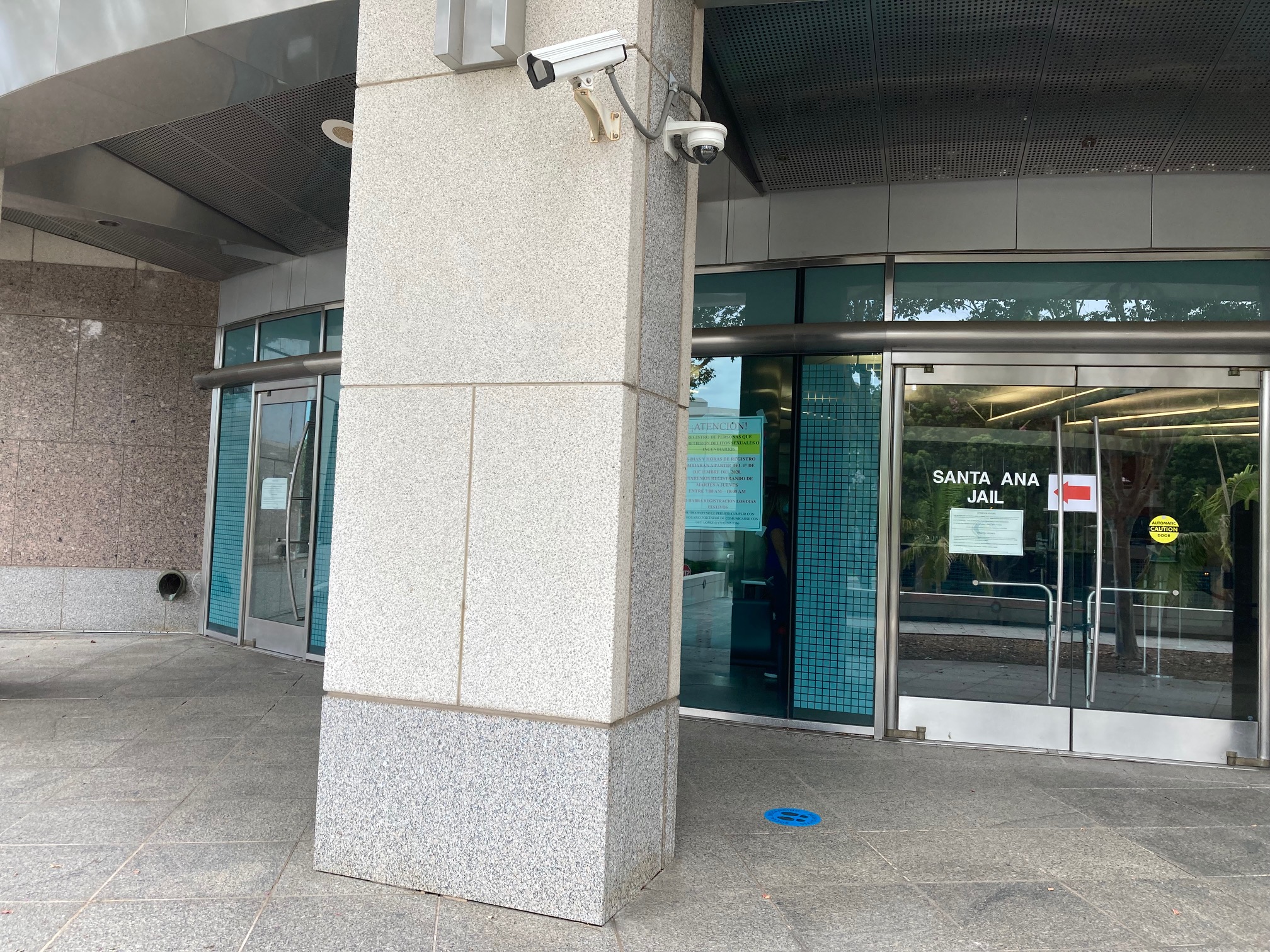
If you are the person making hire the middle of the evening, time out and gather four things before you dial a bail bondsman or walk into court: the booking number, the precise fees, the bond quantity, and the next court date. After that assemble a plan that addresses either threat or integrity, relying on what the cost tells the court to fear. Money may unlock, but a trustworthy plan keeps it open.
ABBA Bail Bonds 900 Avila St STE 101 Los Angeles, CA 90012 (213) 296-0901 https://abbabailbonds.com